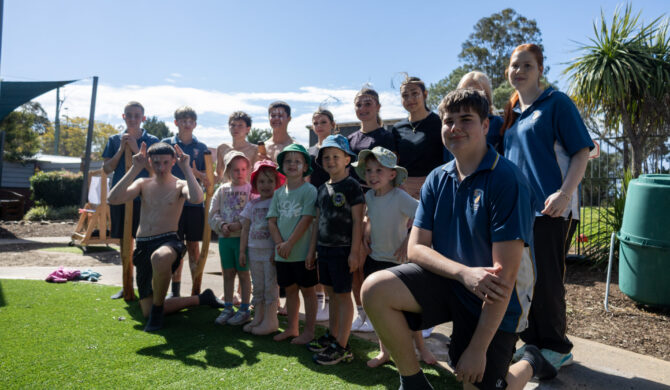


During Reconciliation Week at St Nicholas OOSH Glendale, these moments became part of something larger – an emerging understanding of connection. Not just to each other, but to place, culture and community.
Connection begins with a sense of place
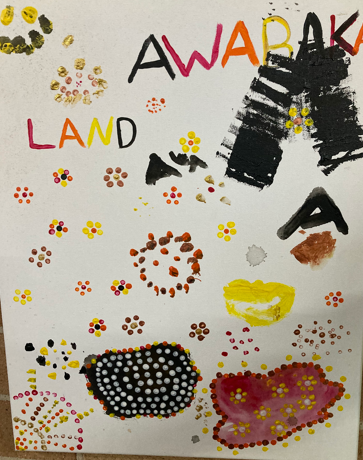
For many students, recognising that the space they attend each day is part of Awabakal land is a new concept. Through intentional conversations, students began to explore what this means – developing an awareness that Country holds history, knowledge and ongoing cultural significance. This understanding is reinforced through a daily Acknowledgement of Country, led by the students themselves.
What begins as a routine gradually becomes something more considered – a shared moment of recognition and respect, grounded in the children’s growing confidence and understanding.
Evidence in practice
St Nicholas OOSH Glendale’s Educators incorporated a selection of intentional experiences to support students in growing their understanding of culture, belonging and connection to Country. Here’s how:
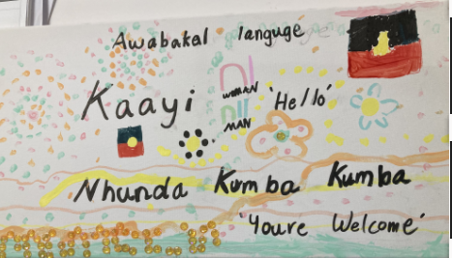
- Introducing Awabakal language into daily routines provides a consistent and accessible entry point for cultural learning. Following a student-led contribution, educators embedded simple terms such as Kaayi (hello) and Nuhunda Kumba Kumba (you’re welcome) into greetings. Over time, students demonstrated increased confidence in using these words and began recognising language as a living part of their local environment.
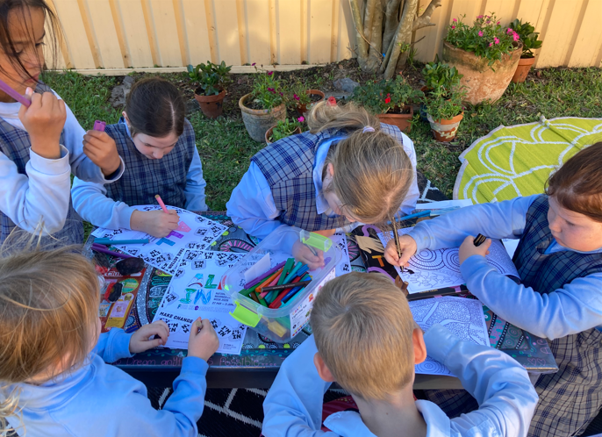
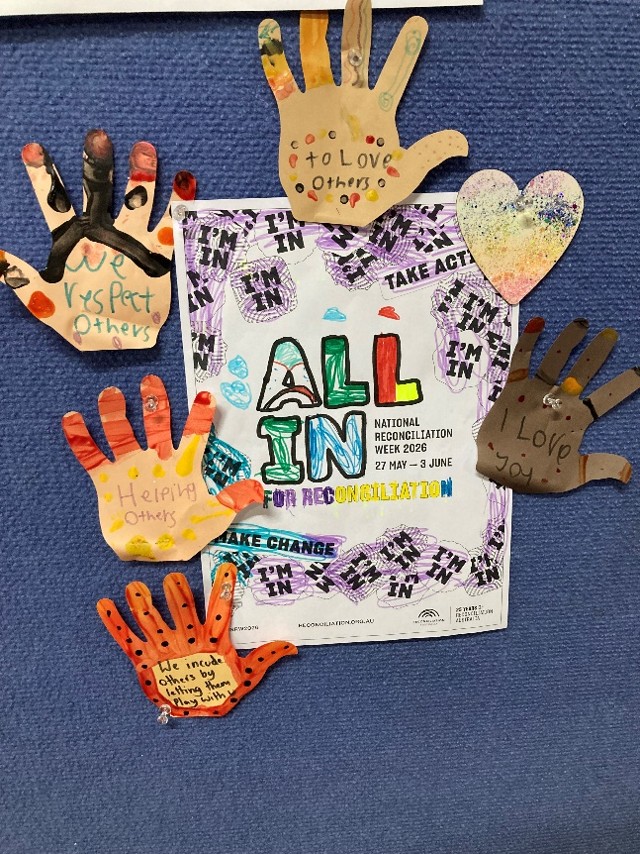
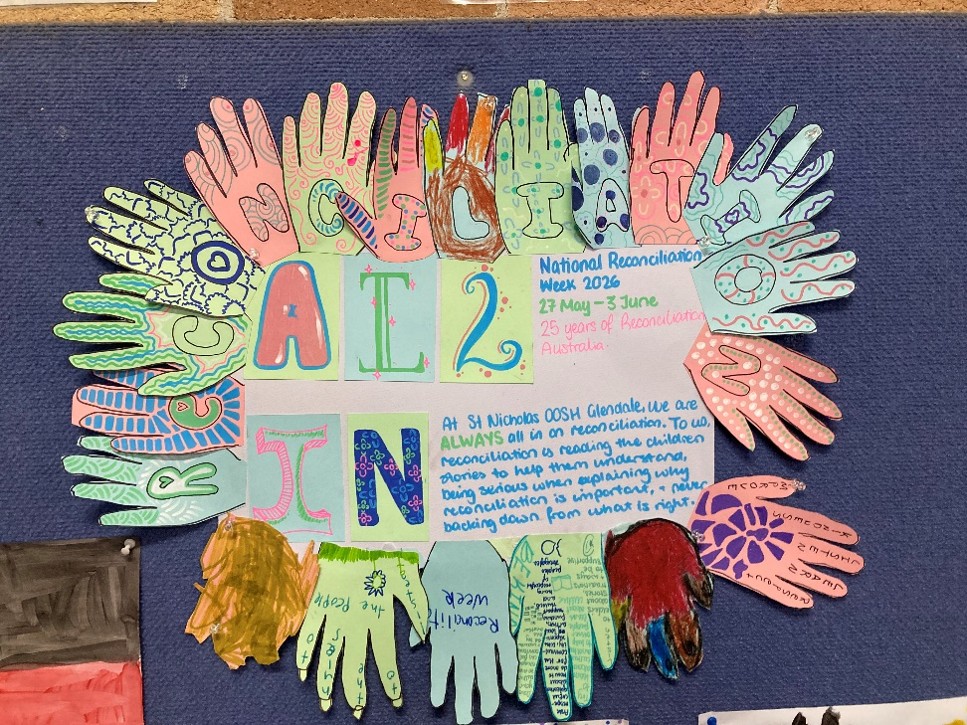
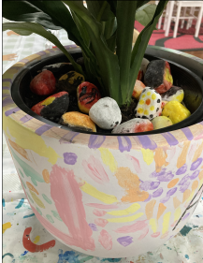
- Hands-on, creative experiences further supported students to engage by painting Aboriginal flags, decorating rocks, creating collaborative posters and producing coloured handprints, students were able to express their understanding of respect, inclusion and care in tangible ways. During these experiences, students actively contributed to discussions, identifying actions such as “helping,” “being kind” and “making everyone feel welcome” as important behaviours within their group.
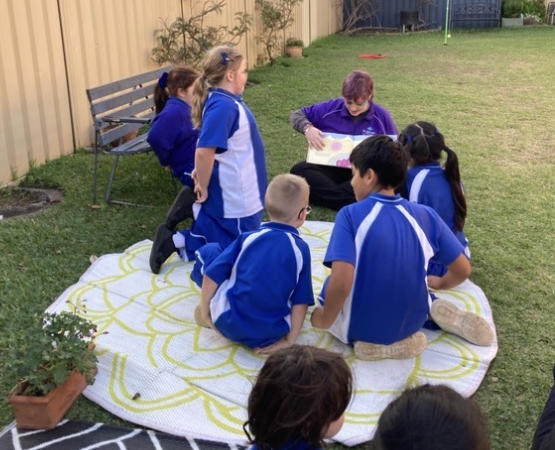
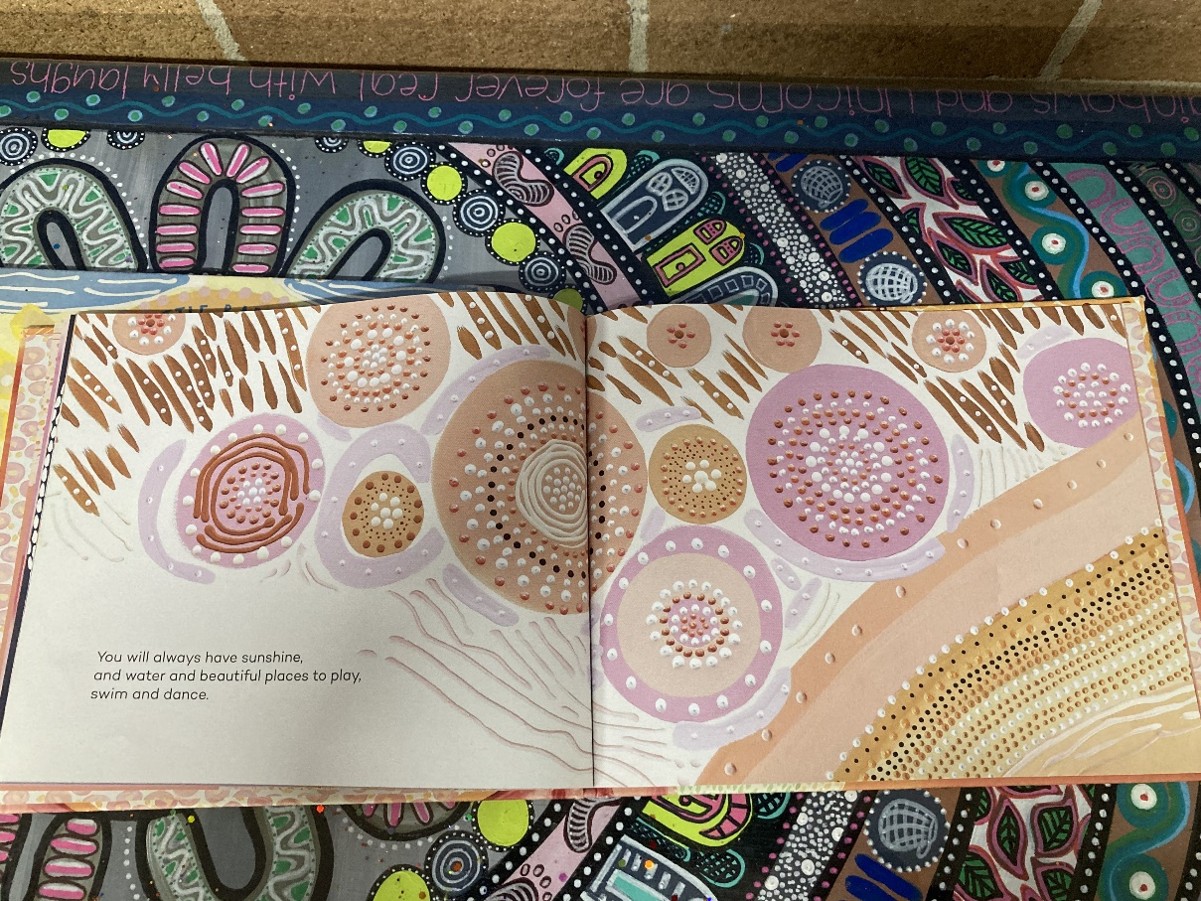
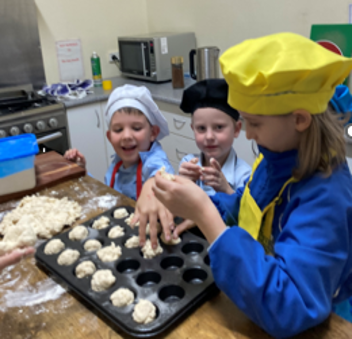
- Storytelling and shared experiences provided additional context and depth. Engagement with Indigenous texts such as The Motherland and My Little Sunshine supported students to explore cultural perspectives through both narrative and visual forms, which they then extended into their own artwork. Similarly, the preparation and sharing of damper offered a practical, sensory experience, with strong engagement reflected in student’s enthusiasm and requests to revisit the activity.
- Input from an Indigenous parent further strengthened the program, guiding the inclusion of locally relevant content such as animals and storytelling. This ensured that learning remained grounded in community knowledge and reflective of the student’s context.
Fostering and embedding these experiences over time has supported St Nicholas OOSH Glendale to build a shared understanding in ways that are meaningful, connected and sustained. Through repetition, ongoing conversation and opportunities for children to revisit ideas across different contexts, they are beginning to understand what connection to Country looks like in practice – shaped by curiosity, participation and a strong sense of belonging within the environment.
At St Nicholas OOSH Glendale, creating opportunities for children to engage with culture, community and place remains an ongoing commitment. Through consistent practice, responsive teaching and strong partnerships, children are supported to develop connections that extend beyond the program – shaping how they understand the world and their place within it.