

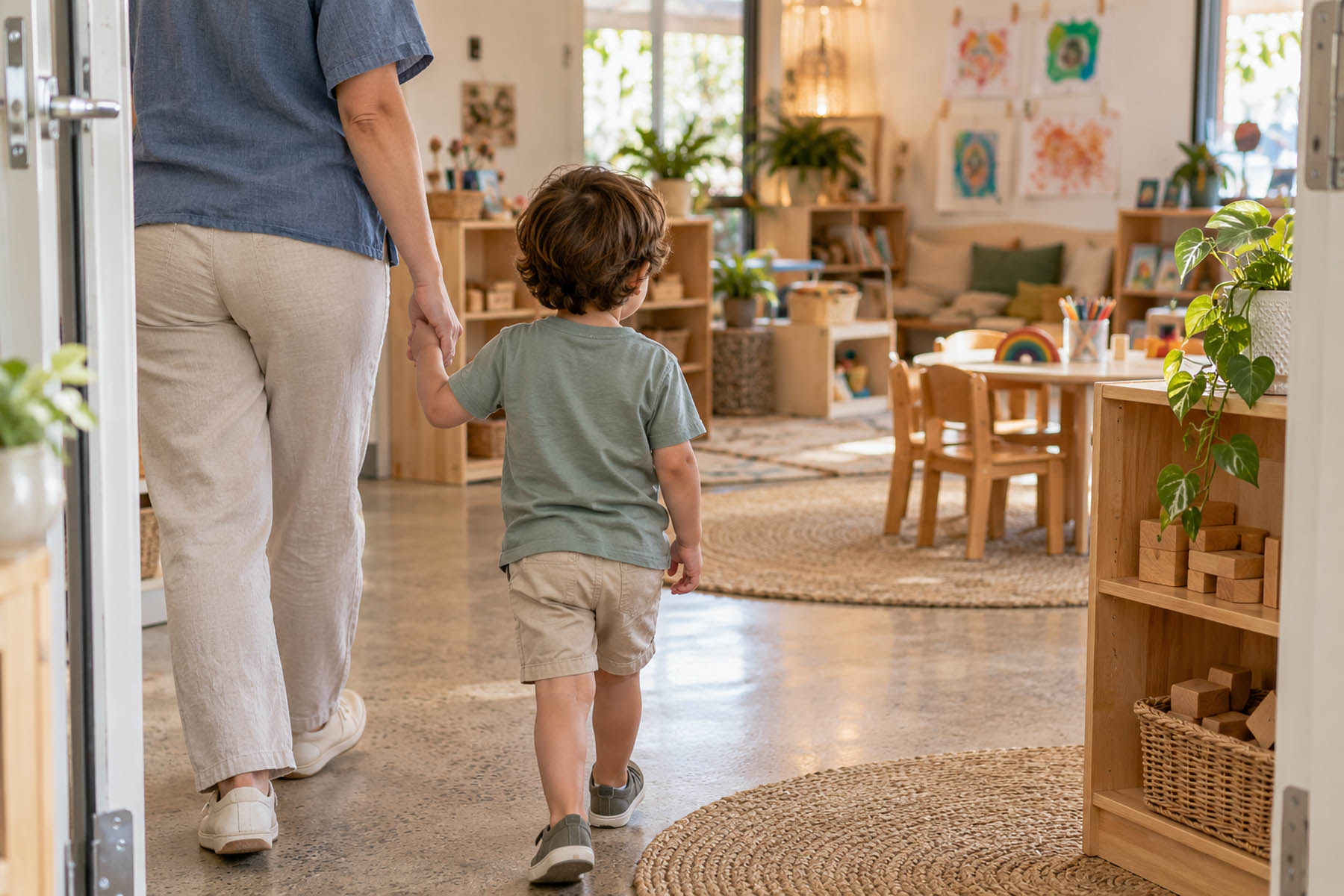
Moving to a new room at childcare is an exciting milestone, but it can also bring some uncertainty. New educators, different routines and unfamiliar surroundings can feel like a big change, even within a centre your child already knows.
Whether your child is moving from nursery to toddler care or preparing to join a preschool room, a little preparation and close communication with educators can help. Every child approaches change differently, so their room transition should reflect their individual needs.
1. Find out what will change
Start by talking with your child’s educators about the move. Understanding what will be different, and what will remain familiar, gives you something concrete to talk about at home.
You might ask:
- Will my child visit the new room before moving?
- Will any familiar children be moving with them?
- How will meals, rest and other routines compare?
- Is there anything different we need to pack?
You do not need to have every answer straight away. These conversations are a starting point for planning the transition together.
2. Help your child get to know the new space
Ask your centre about opportunities for your child to spend time in the new room and meet their educators before the move.
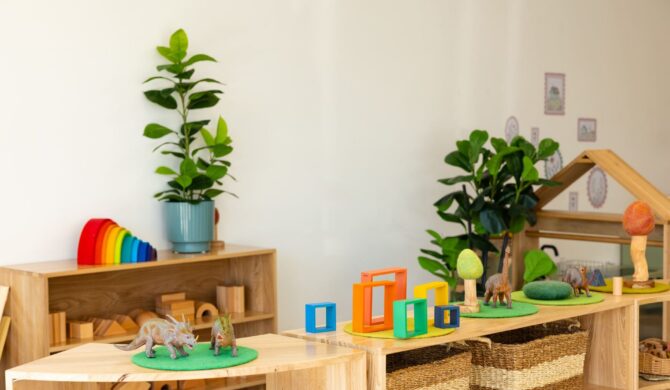
A visit might involve joining a play experience or spending a short period exploring. Talk afterwards about something familiar or interesting: “You found the building blocks today. What did you make?”
Follow your child’s interests and allow familiarity to develop gradually.
3. Make room for mixed feelings
Your child may feel excited one day and unsure the next. Let them know they can talk about both.
Try a simple acknowledgement: “You’re looking forward to the new toys, and you’re going to miss your room. We can talk to your educators about that.”
For younger children, pay attention to gestures, expressions and behaviour as well as words. Reassurance does not need to be a long conversation. A calm response and time together can help you understand what they need.
4. Share the little things that help
Your child’s current educators know a great deal about them, but families bring valuable knowledge too.
Let the new team know about your child’s interests, how they communicate and what helps them feel comfortable. Perhaps they like to watch before joining an activity or respond well to a familiar song.
Ask how information will be shared between rooms and whether there is anything you can add. These details help educators build relationships and provide continuity through the change.
5. Plan a familiar arrival routine
Work with educators to agree on a simple arrival routine that suits your child. This might include putting their bag away together, greeting an educator and choosing an activity before saying goodbye.
Keeping some familiar steps can give your child a sense of what comes next, even when the room itself is new. Ask the team how you can check in after leaving if you are concerned about how your child has settled.
6. Keep checking in as they settle
A childcare room transition continues beyond the first day. Stay in touch with educators about what your child is enjoying, where they need support and anything you have noticed at home.
Look for small signs of growing comfort, such as approaching an educator, exploring an activity or recognising a new friend. If your child is finding the change difficult, discuss what could be adjusted together.
Planning your child’s next step at St Nicholas
If your child is preparing to move rooms at St Nicholas Early Education, speak with your Centre Director or educators about what to expect and how you can help.
Looking for an early learning community where your child can feel secure, build friendships and grow in confidence? At St Nicholas Early Education, we work alongside families to support each child through every stage of their early learning journey.
Explore your nearest centre and enquire about enrolling today – click here.