


When educators intentionally weave these experiences into early learning environments, something powerful happens: children feel seen, understood and connected. The gap between home and care becomes smaller, and learning becomes richer.
Why Family Experiences Matter in Early Learning
Young children make sense of the world by linking new experiences to familiar ones. When educators draw on family outings – beach days, camping trips, park adventures, visits to grandparents – they’re tapping into a child’s strongest foundation for learning: their sense of belonging.
Incorporating these memories into the program helps children:
- Build confidence by sharing their stories
- Strengthen communication and social skills
- Feel emotionally secure in their learning environment
- Connect new concepts to real-life experiences
- Celebrate their identity, culture and family life
It’s a simple idea with a big impact: when children see their lives reflected in their learning, they thrive.
Turning Family Adventures Into Meaningful Play
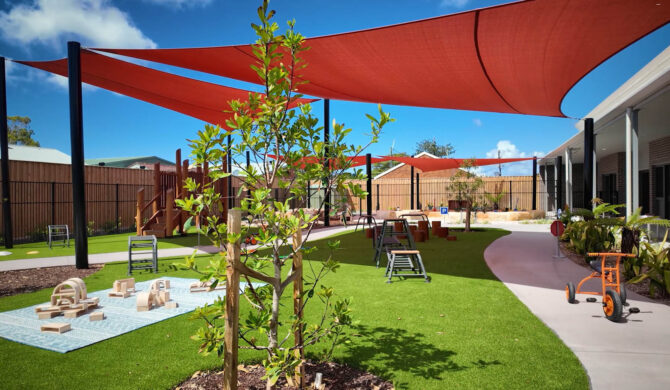
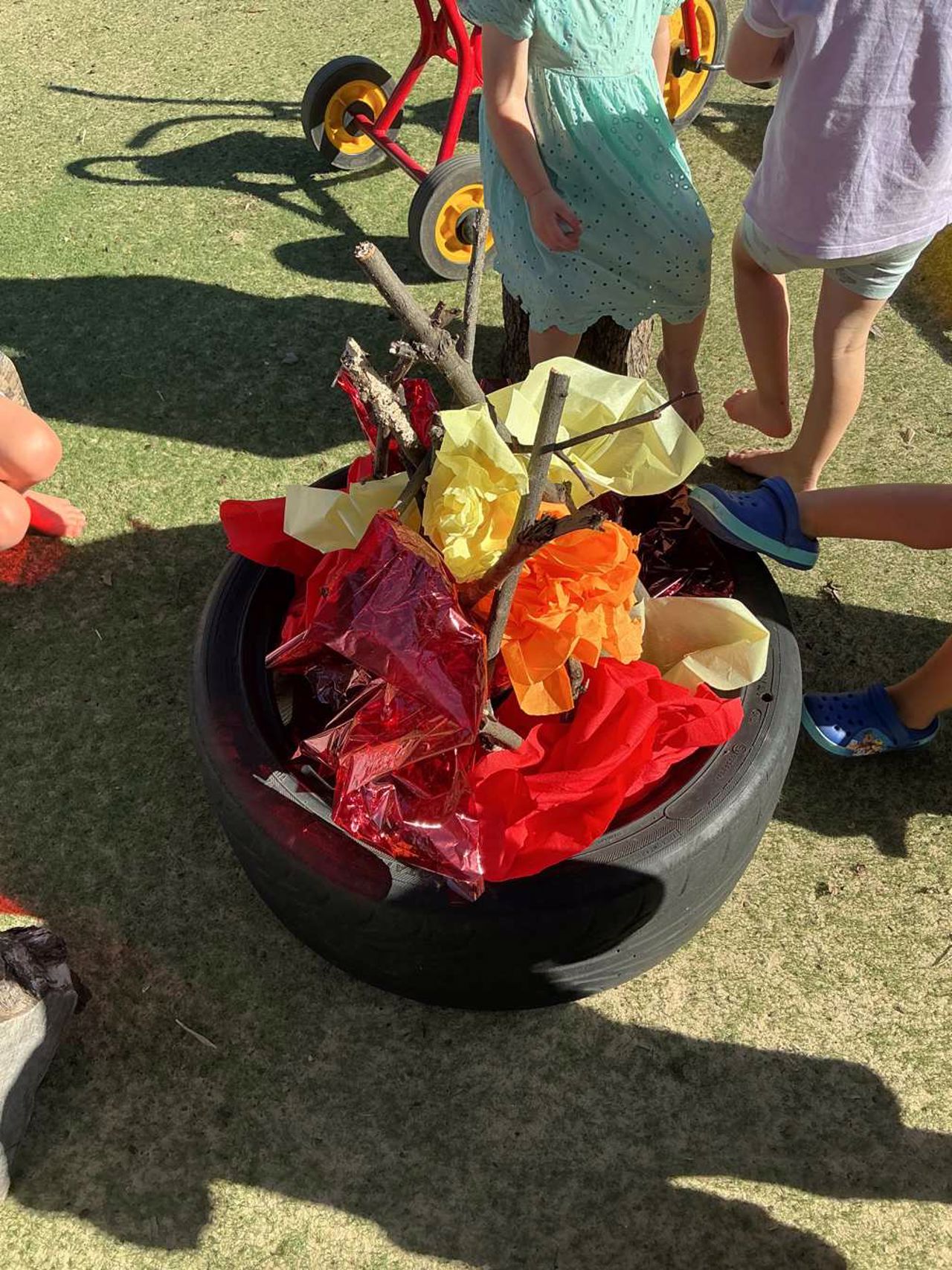
Throughout January, St Nicholas Early Education Maitland embraced this approach through sensory outdoor play inspired by children’s summer adventures. Many of our learners had spent the holidays camping with family, so our educators recreated the magic of a campsite right in the outdoor learning space.
A tent, a play campfire and a picnic setup invited children to step into familiar roles – setting up camp, sharing stories, cooking pretend meals and working together. These moments weren’t just fun; they supported imaginative play, social collaboration and language development.
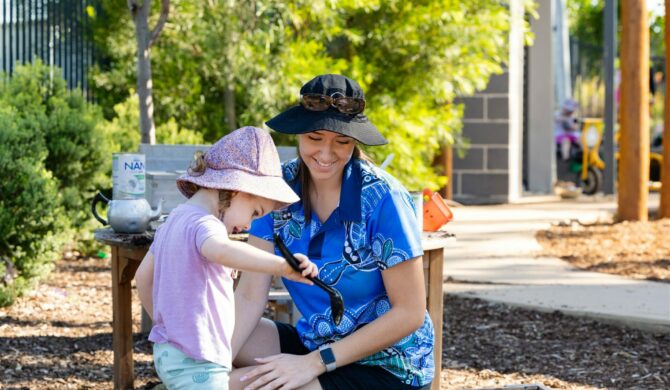
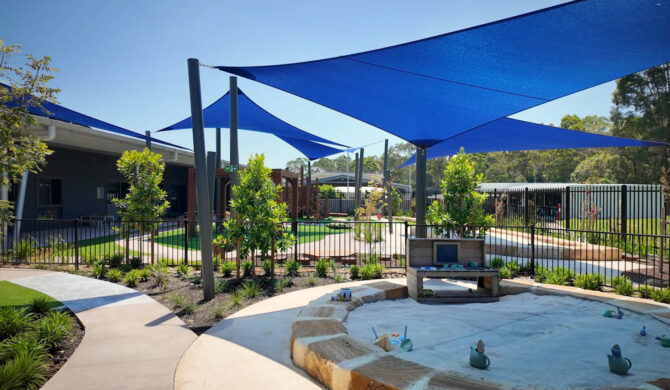
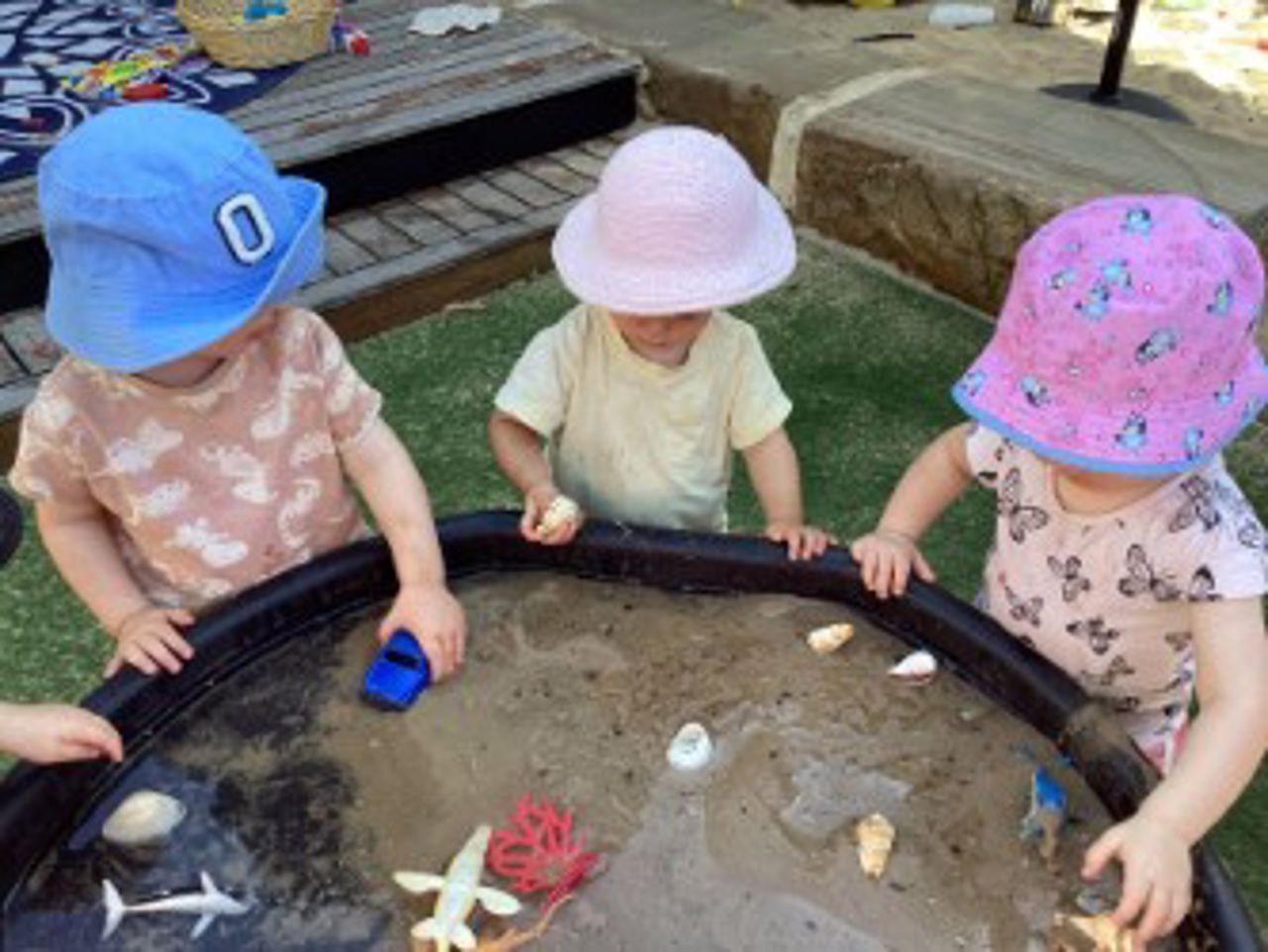
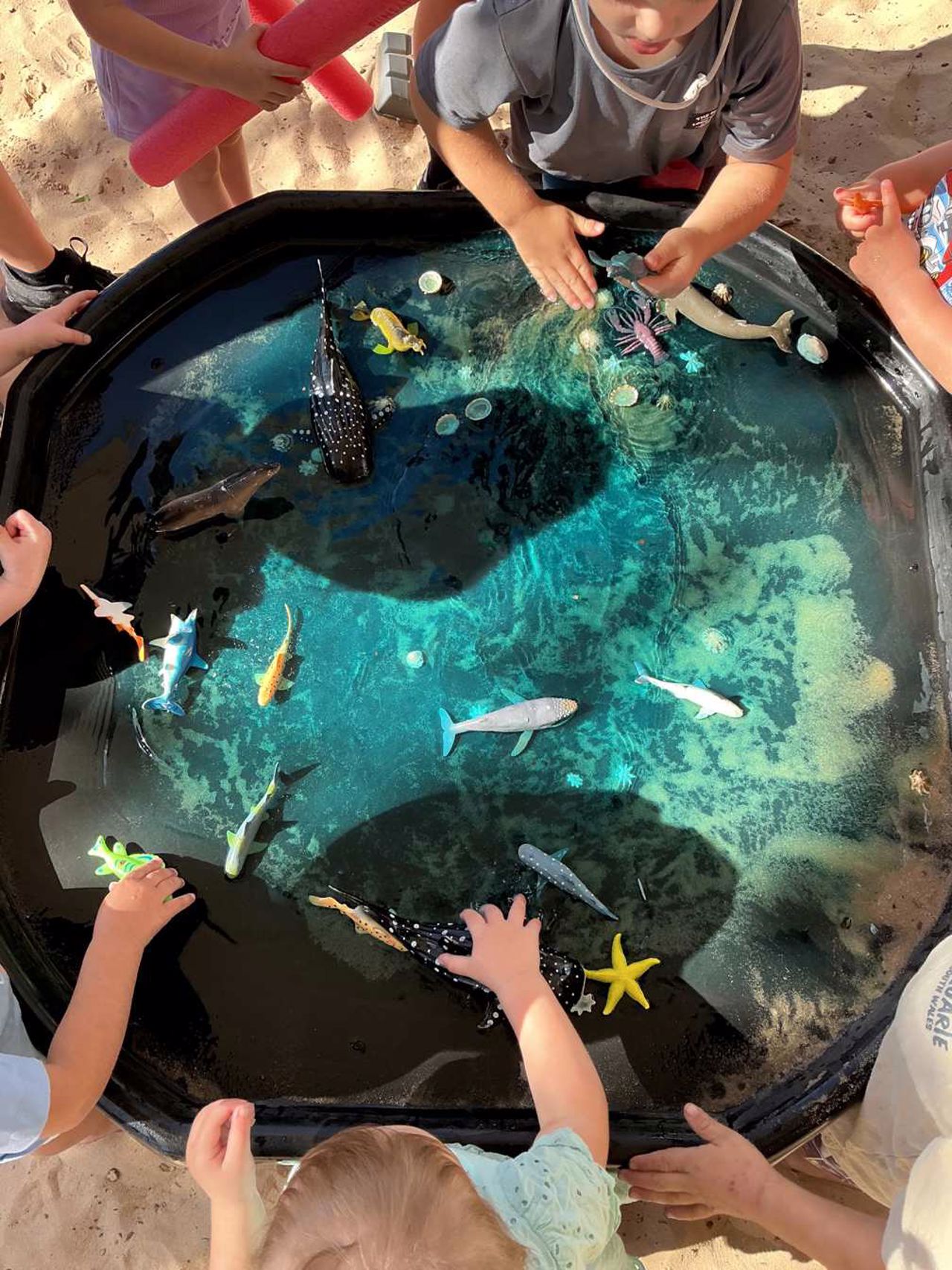
Other children had enjoyed beach days with their families, so educators designed beach‑themed sensory experiences. Sand, water, shells and sea creatures filled tuff trays and the sandpit, encouraging children to explore textures, experiment with natural materials and revisit memories of splashing in the waves or collecting shells.
These experiences allowed children to express themselves, connect with peers and build fine and gross motor skills – all while reliving joyful family moments.
Creating a Bridge Between Home and Care
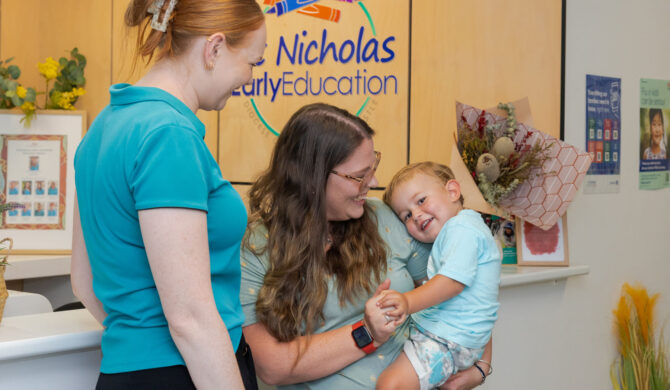
When educators intentionally invite family life into the learning environment, children feel a deeper sense of belonging. This bridge between home and care is strengthened through:
- Story sharing: Children recount their adventures, building language and confidence.
- Role play: Familiar scenarios help children process experiences and explore emotions.
- Sensory exploration: Materials that mirror real‑world outings help children make meaningful connections.
- Community awareness: Children learn that their experiences are valued and that others explore their community in different ways.
These shared moments also give educators valuable insight into each child’s interests, strengths and background, allowing them to plan learning experiences that feel personal and relevant.
A Learning Environment That Feels Like Home
At St Nicholas Early Education, we believe that learning should feel connected, comforting and joyful. By embracing the stories children bring from home, we create environments where they feel safe to explore, confident to express themselves and excited to learn.
Family memories aren’t just cherished – they’re powerful teaching tools. And when home and early learning come together, children experience the best of both worlds.
Find your local St Nicholas Early Education here.